Participants' Voices
Next Stage
Short-term Study
Chulalongkorn University to Kobe University
Faculty of Nursing
Dr. Chaowarit Ngernthaisong
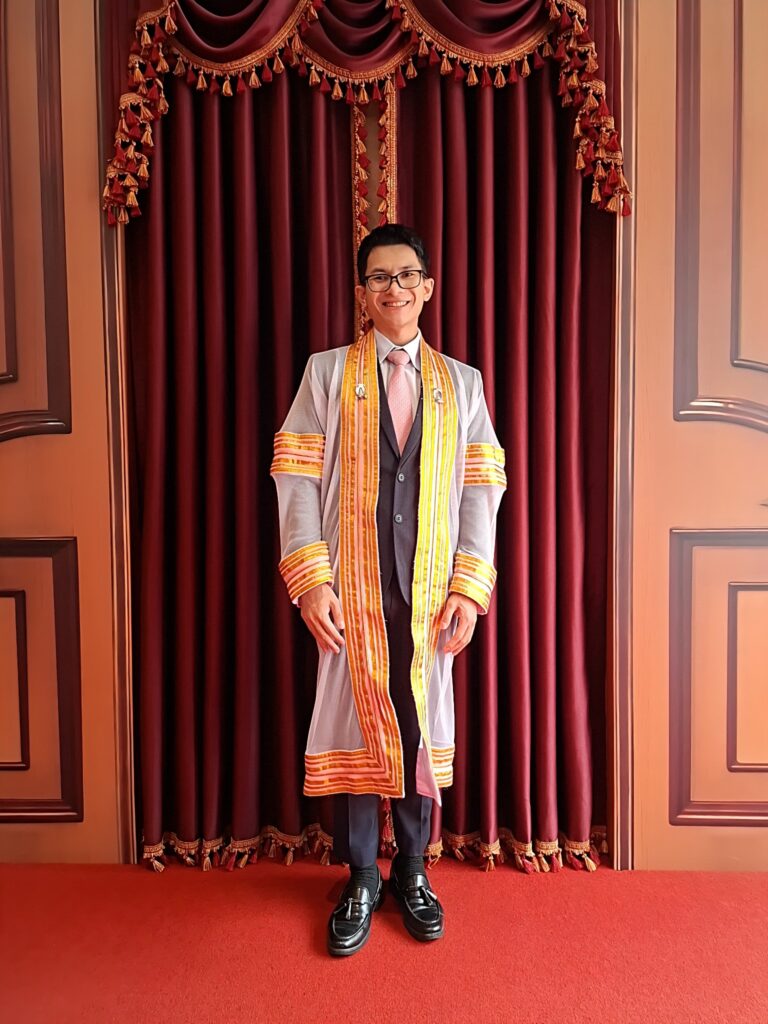
Profile: Assistant Dean at the Faculty of Nursing, Chulalongkorn University (FONCU), where he also serves as Secretary of the Center for Health and Well-being Promotion for Older People and Lecturer in Nursing Administration. In 2023, he participated in a short-term exchange program at the Graduate School of Health Sciences, Kobe University, before completing his doctoral degree in Nursing Administration at Chulalongkorn University in 2024.
Q1: What do you do in your current role?
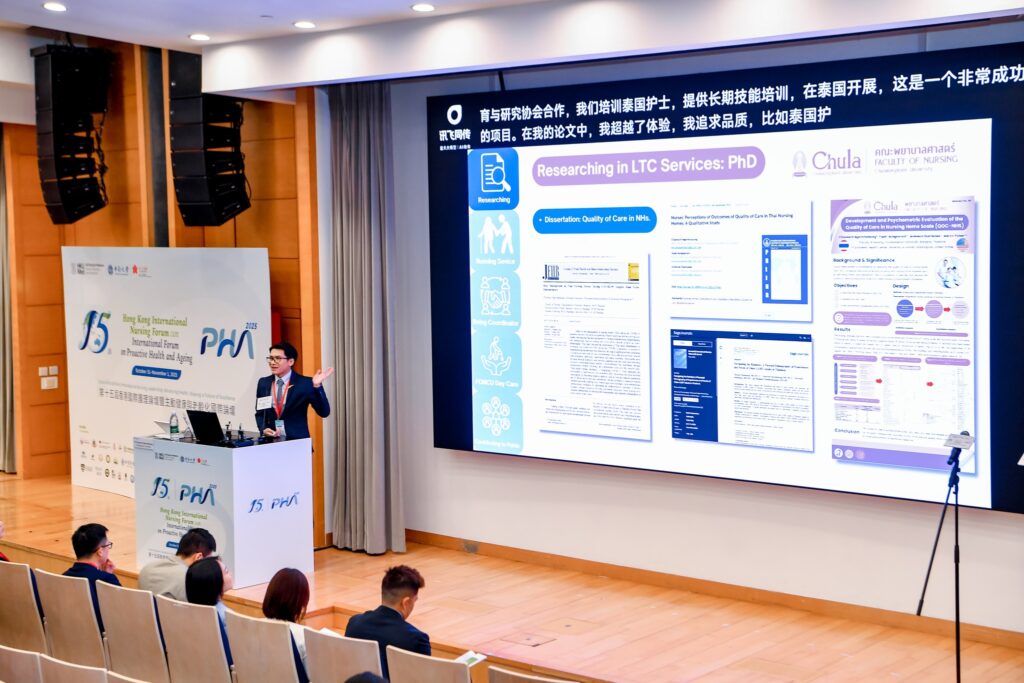
I currently serve in multiple key roles at the Faculty of Nursing, Chulalongkorn University (FONCU). I am the Assistant Dean, Secretary of the Center for Health and Well-being Promotion for Older People, and a Lecturer in Nursing Administration. In these capacities, I oversee administrative operations within the Technology and Communication Center, teach in nursing administration, and conduct research that supports organizational development and evidence-based management in healthcare settings. My work also extends to collaborative projects that advance elder care and promote healthy aging.
I have received numerous honors, including awards for academic excellence and victories in oral presentations at international conferences. These recognitions reflect my long-standing dedication and continuous commitment to nursing leadership, quality improvement, and academic excellence.
Q2: Why you wanted to pursue this career?
I attribute my passion for nursing administration to my belief that strong leadership and systematic risk management are essential to creating safer healthcare environments. My clinical experience revealed gaps in patient safety, particularly in long-term care, and motivated me to pursue a career that could address these system-level challenges. I strongly emphasize that high-quality care requires not only skilled nurses but also effective policies, robust organizational systems, and leadership capable of anticipating and mitigating risks.
Q3: What has been your most memorable experience in the CAMPUS Asia Plus Programme?
During the CAMPUS Asia Plus Programme, I attended courses, seminars, and conferences that deepened my understanding of Japan’s healthcare system. Studying risk management and quality assurance in Japanese long-term care settings offered insights beyond what classroom lectures alone could provide. Particularly memorable were site visits to nursing homes, where I observed Japan’s integration of technology with human-centered elder care. These experiences strengthened my commitment to advancing geriatric health and safety in Thailand.
Q4: How learning from the CAMPUS Asia Plus Programme has benefited your current work?
The knowledge gained from the CAMPUS Asia Plus Program continues to shape my teaching and administrative work. I integrate Japanese risk assessment frameworks, quality indicators, and safety principles into the nursing administration curriculum at Chulalongkorn University. This comparative approach enables students to appreciate international best practices and adapt them to Thailand’s healthcare context. My involvement in the Center for Health and Well-being Promotion for Older People also benefits from the program, as I apply methodologies learned in Japan to improve long-term care services and promote healthy aging initiatives.
Please share a brief message for current students and juniors.
I encourage you to embrace cross-cultural learning, build strong academic and professional networks, and observe how different countries approach patient safety, crisis management, and healthcare quality. I firmly believe that meaningful growth occurs both inside and outside the classroom. I also encourage you to appreciate Japan’s blend of tradition and advanced technology, and to explore how these elements can be thoughtfully adapted to improve systems in your own countries.